The Term Sheet That Went Back
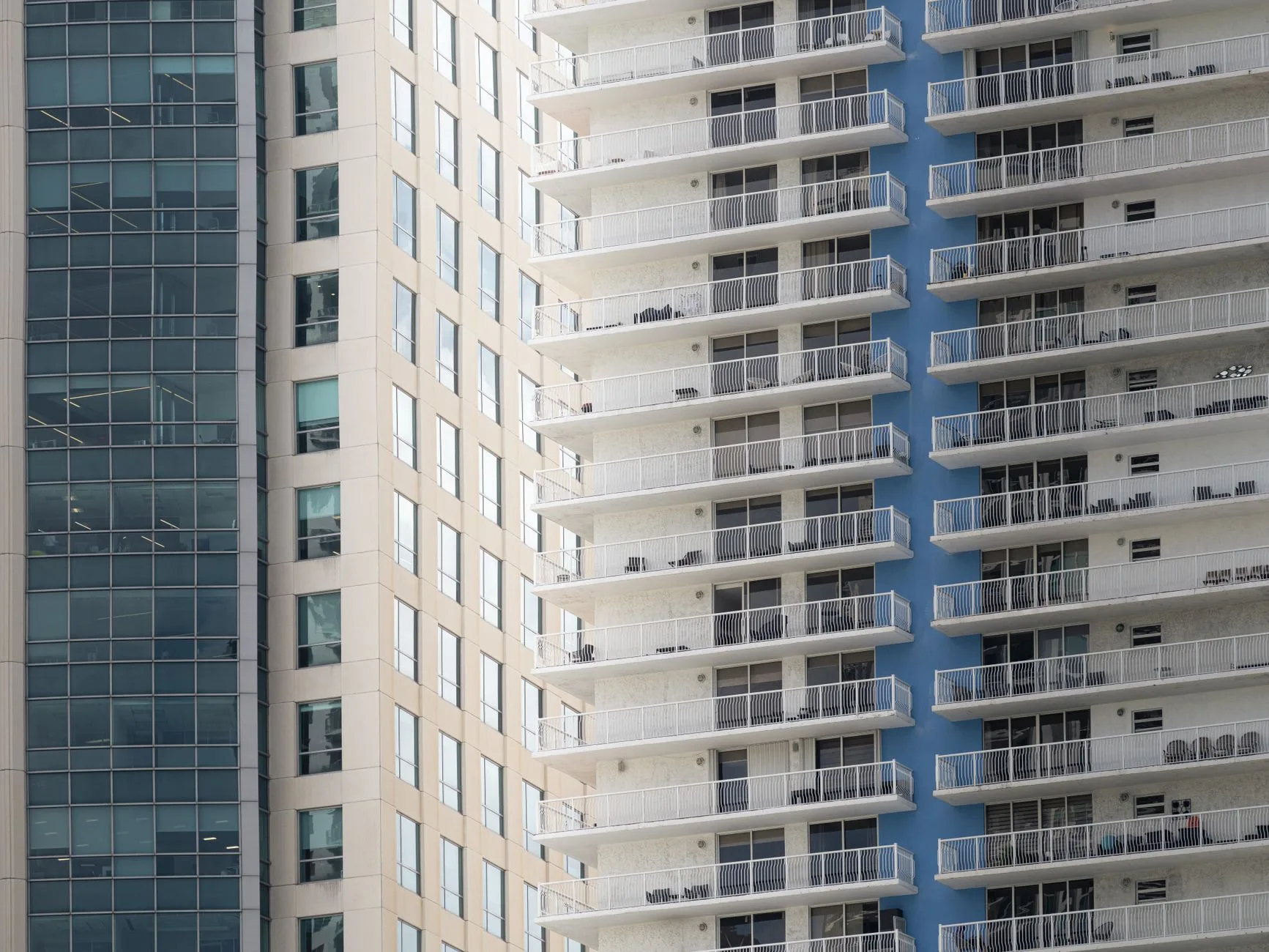
The HueHub carries an $880 million budget on a 12-acre site at 8395 NW 27th Avenue: seven 35-story towers and 4,032 studio, one-bedroom and two-bedroom residences. The tracker calls it the largest Live Local Act project in Miami-Dade County. The developer's press page runs a block of August 2025 approval coverage from The Real Deal, Florida YIMBY and Multi-Housing News.
In August 2026 a construction lender revoked its term sheet for the roughly $600 million loan. Court filings reported by Bisnow carry that record. The planned July groundbreaking did not happen.
Six Hundred Million Dollars Uncommitted
June 2026: the loan from a New York lender was still unclosed, three suits were active against the project, and no vertical groundbreaking date was set. July 2026: developer Pablo Castro was targeting a close at about 60 percent loan-to-cost by month end, with the vertical start still unscheduled.
The project's next event sits on the capital side. A close moves it into construction. A failed close moves it into the court record.
Sixty Percent of $880 Million
Sixty percent loan-to-cost against an $880 million budget comes to about $528 million of debt across the programme. The tracker reports that ratio as a July 2026 target, and no commitment followed it.
Three Suits Between the Site and the Pour
The record places three active suits against the project as of June 2026 and names the Tauber litigation. It publishes no complaint, no cause of action, no claim amount and no hearing date.
Diligence on a stalled mixed-use site starts at the docket. The tracker's record points there and summarises nothing.
Counsel Moves to Withdraw
Developer counsel Bilzin Sumberg moved to withdraw from the Tauber litigation in August 2026. A withdrawal filing follows a changed client relationship, and it reports no view on the merits of the claim.
Watch two entries. Whether substitute counsel appears, and whether the court grants the withdrawal. Both land in the record ahead of any settlement.
A Tracker That Finances a Project Twice
The tracker's detail line reads "Financed with $600M in June 2026." Its own June milestone reads that the same loan was still unclosed. Both sentences sit on one page stamped verified 19 October 2026.
The milestone carries a publisher citation. The detail line carries none. Read the milestone ladder and hold the summary strip at a distance.
The developer's site shows the same lag. Its news page ends with the August 2025 approval block. It still advertises reservations open January 2026 under a 2025 copyright.
The Market Panel and the 2028 Window
The tracker's market panel reads "85-project pipeline" under a West Little River label and "32,648 residences and keys across the projects in our database". The same page carries no project score, no supply label and no peak year.
The HueHub targets the second quarter of 2028 for opening. Four thousand and thirty-two units land in a delivery window the tracker reports beside 32,648 units across its Miami database.
Every use in the published programme is residential, retail, coworking, education or clinical. A group looking for rooms nearby starts with the airport cluster five kilometres south, and the site's own second-quarter 2028 opening sits inside the same window as the wider county pipeline.
What to Read Before You Fund the Next One
Five documents decide a site in this position. The loan commitment letter, with its conditions and expiry. The docket for each named defendant. The general contractor's contract status and any notice to proceed. The permit record for the vertical phase. The marketing sheet's dates against the milestone record.
Three signals order the risk. A term sheet revocation that repeats inside ninety days points to a capital problem. A counsel withdrawal with no substitute appearance points to a defendant in transition. A marketing page that sells a reservation date the construction record has passed points to a sponsor talking to buyers ahead of lenders.
Hospitality capital watching mixed-use corridors can use the same list. A stalled mixed-use site holds the land, the entitlement and the litigation, and the businesses around it carry the corridor's trade until the towers finish. Ask the sponsor for each document in writing.