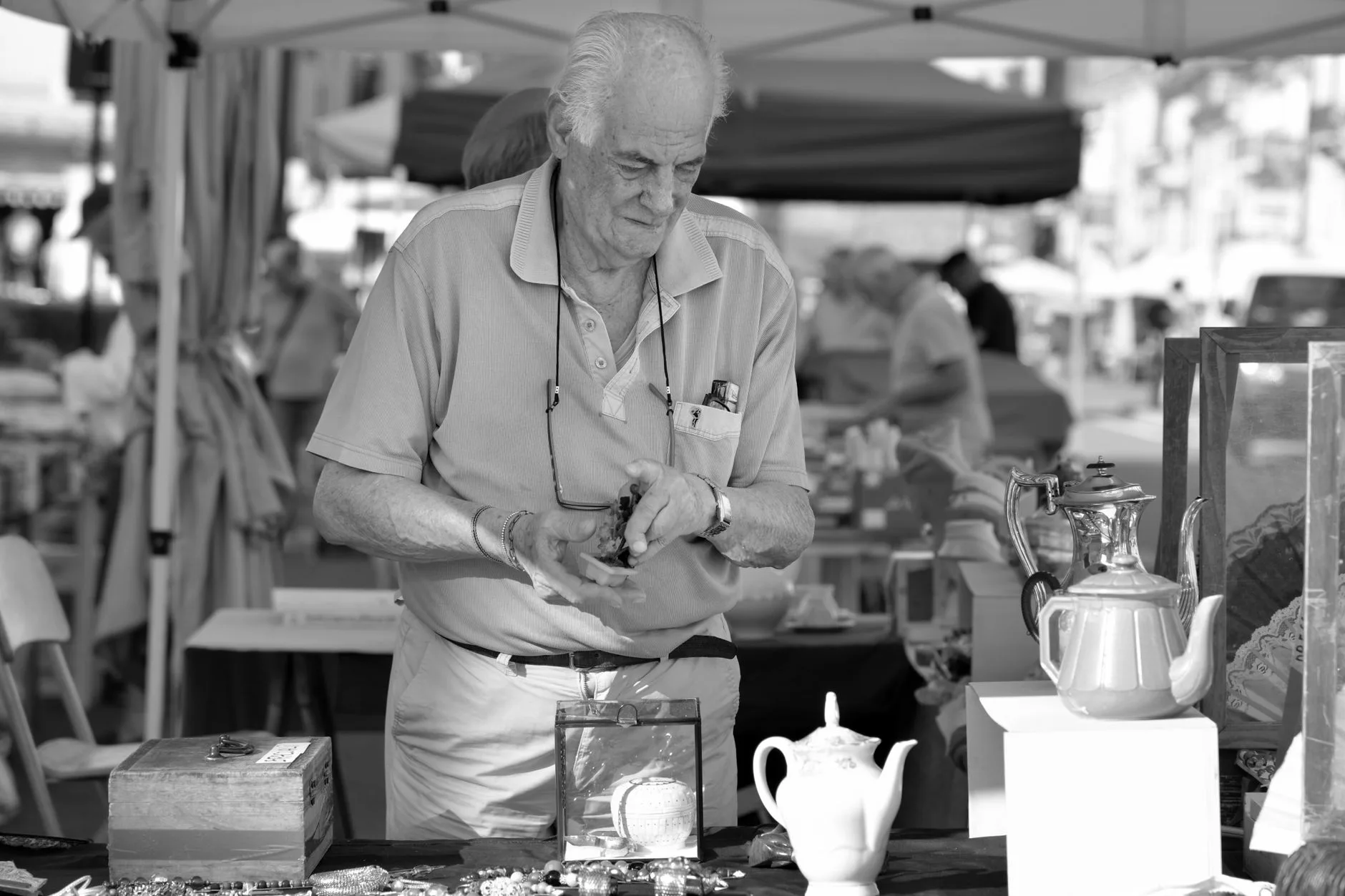
A non-profit fair and a 50,000-square-foot pavilion
The San Francisco Fall Show is a 501(c)(3) organisation founded in 1982. It carries more than 40 dealers from around the world into the Festival Pavilion at Fort Mason Center for Arts & Culture, 2 Marina Blvd. The 2026 edition runs Thursday 15 to Sunday 18 October, with an Opening Night Gala on Wednesday 14 October.
The pavilion publishes 50,000 square feet, a maximum capacity of 3,840, a 2,000-seat theatre layout, a 1,000-seat banquet layout and space for 180 standard 10 by 10 booths. The venue markets the hall for trade shows, corporate conferences and expos and lists large-scale events for 1,000 guests and above.
What 40-plus dealers fills
The venue's published booth count is 180. The fair's published dealer count is more than 40, and the hall's published standing capacity is 3,840. Forty dealers against 180 booths reads 22 percent of the booth capacity.
The organiser publishes no attendance forecast and no room block rate. The fair's mission statement sets out education and appreciation for craftsmanship, design and cultural heritage as its objects.
A commercial expo holds the same city for ten days
SEMICON West 2026 occupies the Moscone Center from 13 to 15 October, in the same week as the fair. Its exhibitor schedule opens targeted move-in on Thursday 8 October, continues Friday 9 and Saturday 10 October and closes the centre on a dark day Sunday 11 October. General move-in runs Monday 12 October, 8:00 a.m. to 5:00 p.m.
The exhibit hall runs 10:00 a.m. to 5:00 p.m. on Tuesday 13 and Wednesday 14 October and 10:00 a.m. to 4:00 p.m. on Thursday 15 October. Move-out runs from 4:00 p.m. Thursday to 1:00 p.m. Saturday 17 October. First move-in to final move-out spans ten days.
The fair's pavilion occupation runs from the Wednesday gala to the Sunday close, five days.
The demand base the city publishes
The American Hotel & Lodging Association and the California Hotel & Lodging Association released an Oxford Economics study on 25 June 2026. Hotels generated more than $12 billion in economic impact in San Francisco in 2025. Each hotel room night drives about $900 in citywide spending per visitor.
The study counts nearly 50,000 jobs, about 16,000 direct and 34,000 ancillary, and $2 billion in total taxes. Hotel guests spent $8 billion at hotels and local businesses. CHLA's chief executive puts guest spending in the community at 70 cents of every dollar.
The same release reports average daily rates at 92 percent of 2019 levels and forecasts 98 percent for 2026. International visitors make up about one-tenth of the city's visitor volume and account for over half of its visitor spending. The city drew about 2.34 million international visitors in 2024 against 2.95 million in 2019.
Supply growth stays muted
Marcus & Millichap's 1Q 2026 San Francisco Hospitality Market Report is headed "Muted Supply Growth and Demand Improvement Support Occupancy and Revenue Gains." The report places San Francisco first among major U.S. markets for 2025 RevPAR growth at 11.8 percent. It puts occupancy roughly 10 percent below 2019 levels, the widest gap among major U.S. markets, and names Super Bowl LX and FIFA World Cup matches at Levi's Stadium in Santa Clara among the demand drivers.
What the fair's five days add
The fair's room draw is unpublished. Each room night a visitor books drives about $900 in citywide spending, by the AHLA and Oxford Economics figure, and the fair spans a Wednesday gala, four show days and eleven lectures.
Engine's city data puts the San Francisco average at $165 a night across 3.1 million public rate observations from May 2024 to April 2026. October averages $176, 7 percent above the city figure, and the page ranks San Francisco 18th of 50 markets, 11 percent above the $148 median. The fair's Thursday-to-Sunday nights sit in that October window.
Dealer count, run length and hall capacity set the fair's footprint. A 501(c)(3) with more than 40 dealers fills part of a hall published for 180 booths, across five days, in a market that reports muted supply growth and occupancy 10 percent below 2019.